Free shipping on orders over
🌍
Select your region
LATAM → Colombia
Europe → Belgium

Blog

Blog

What's behind every cup of coffee?

Before the packaging, the aroma, and the cup, there’s a story that doesn’t appear on the labels. Every step of this journey smells of freshly roasted coffee, damp earth, and bold decisions. Behind each bag there is much more than grains: effort, culture, tradition and a deep commitment to those who cultivate the land and keep this passion alive.

Origin and traceability
Roasting and sensory profile
Preparation methods
Coffee species and varieties
Types of processes
Myths and curiosities

LATEST NEWS

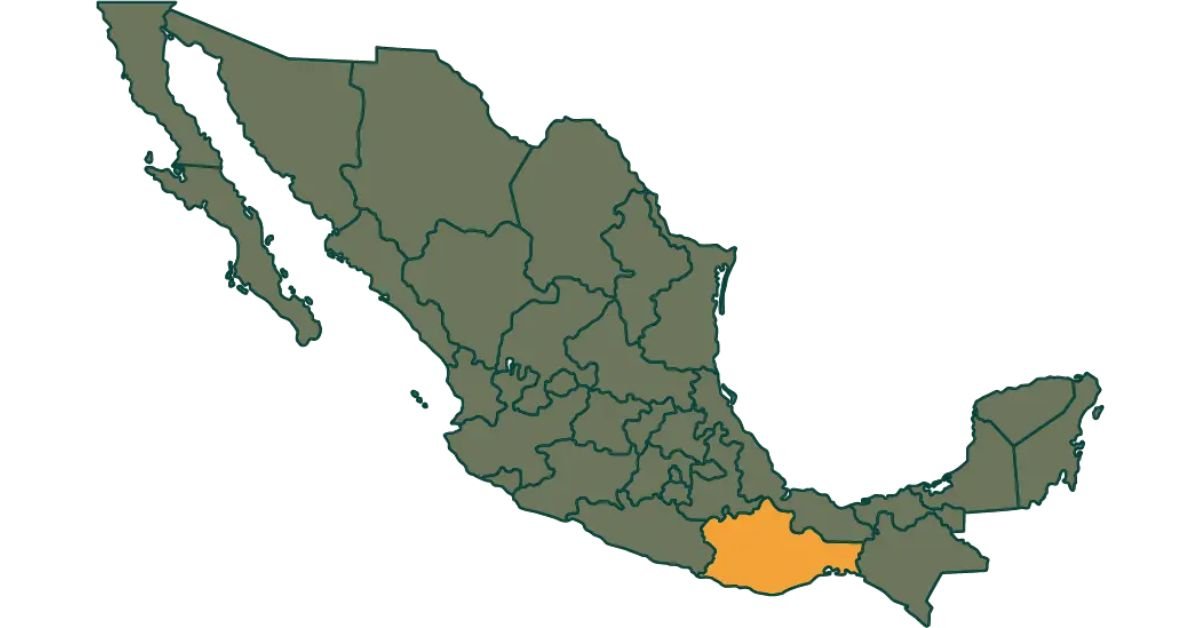
Origin and Traceability: Oaxaca

When one thinks of Mexico, coffee isn't always the first thing that comes to mind. However, the country produces approximately 4% of the world's coffee, making it a major exporter, primarily to the United States, Germany, and Japan.

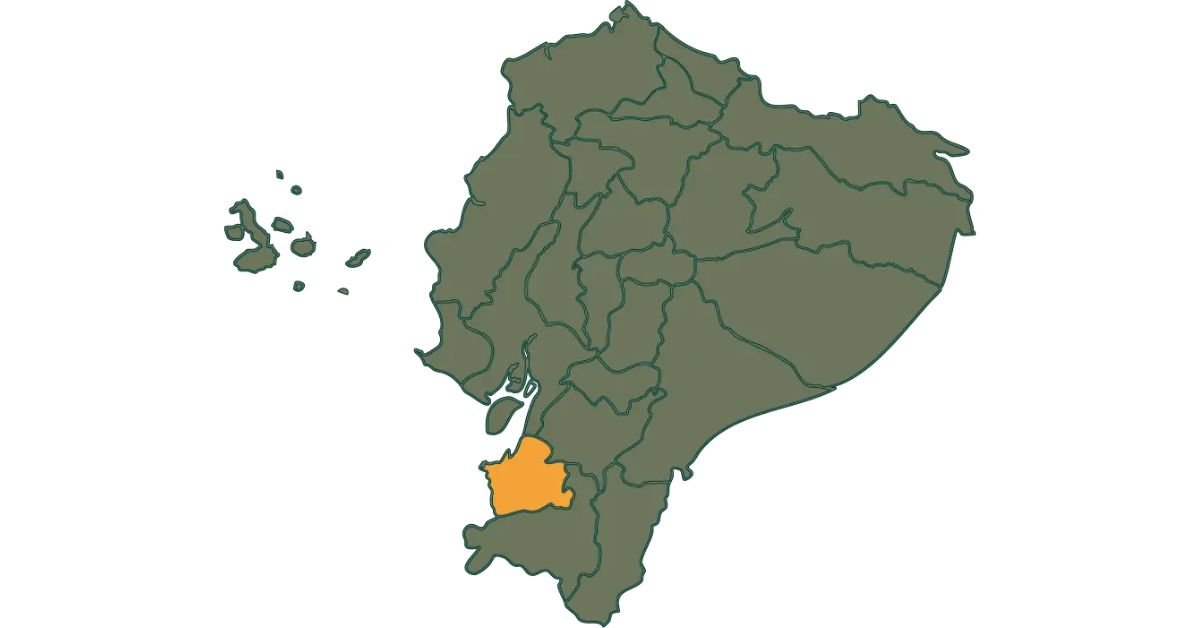
Origin and Traceability: Gold

In southern Ecuador, the province of El Oro combines the richness of its mountains with its proximity to the sea, creating unique microclimates that give its coffee an exceptional character. Despite representing only about 2% of the national coffee production, its beans stand out for their aromatic profile and balance between acidity and sweetness.

Origin and Traceability: Sucumbios

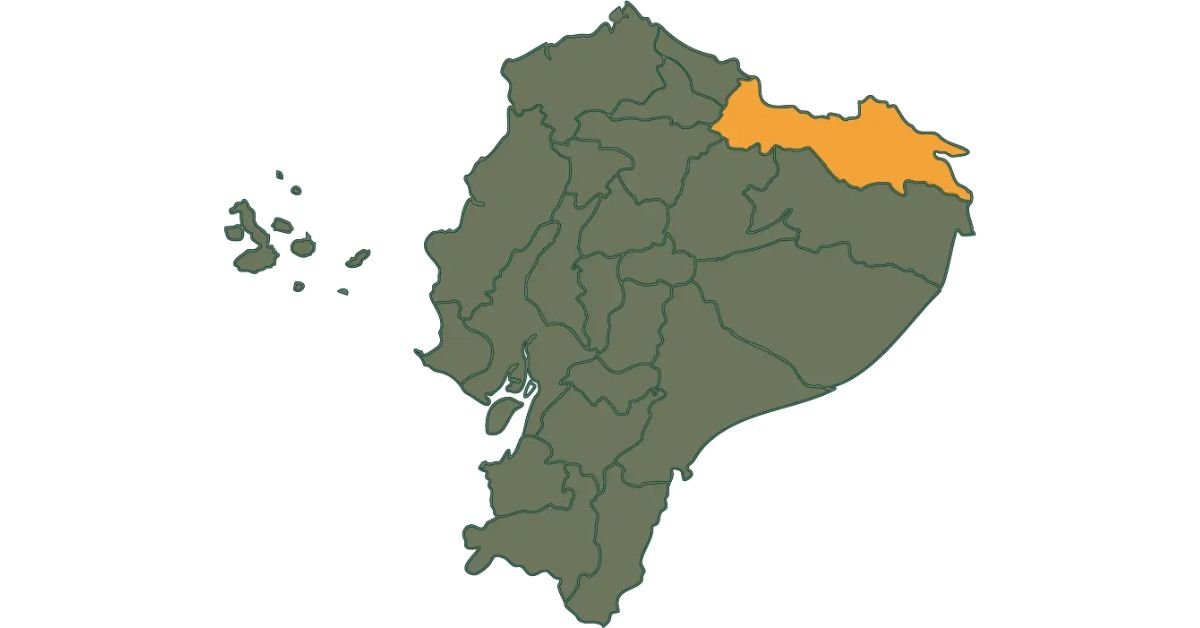
In the heart of the Ecuadorian Amazon, the province of Sucumbíos has established itself as a leader in robusta coffee production. Although historically not recognized as a traditional coffee-growing region, its potential has been revealed in recent years thanks to agricultural revitalization initiatives and the commitment of its coffee farmers.

Origin and Traceability: Quindío

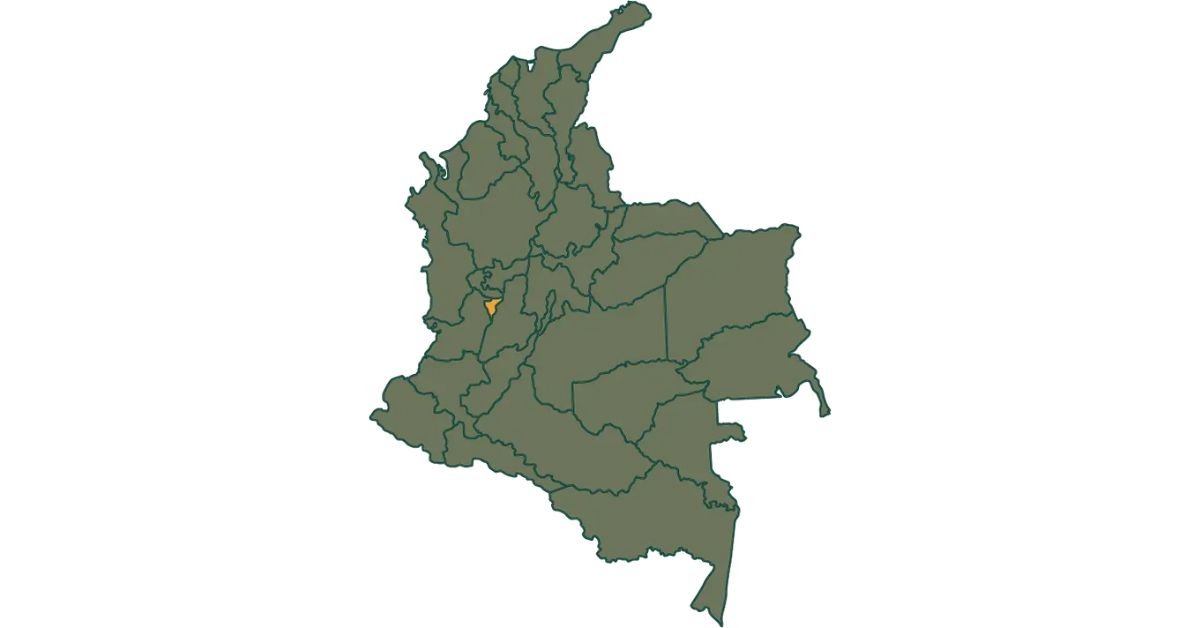
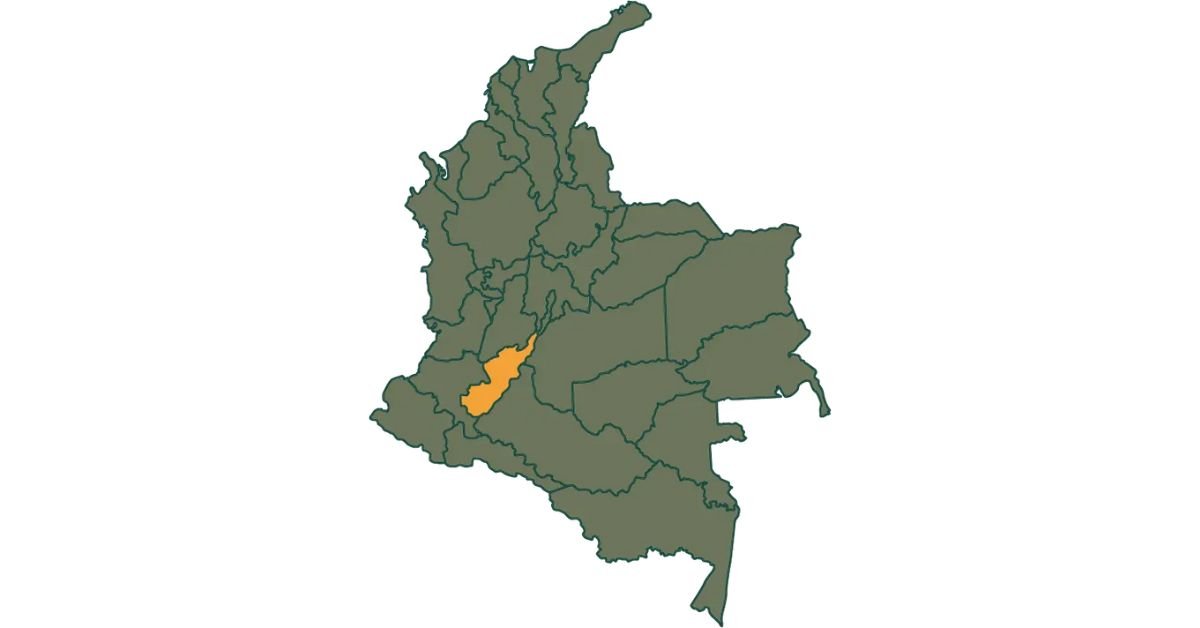
Despite being the second smallest department in Colombia, Quindío accounts for approximately 6% of the national coffee production, establishing itself as a highly prestigious origin within the Coffee Region. Its mountains, with altitudes ranging from 1,200 to 1,800 meters above sea level, and its volcanic soils create an ideal environment for coffees to develop their own unique character and complexity in the cup.

Origin and Traceability: Nariño

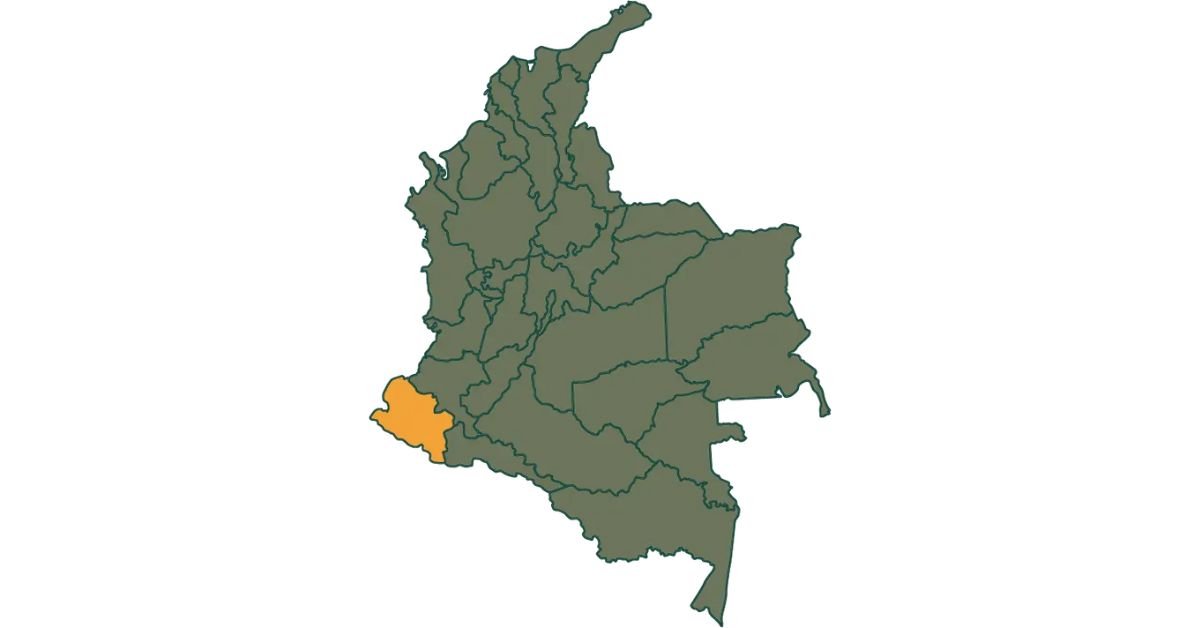
Nariño, in southwestern Colombia, is not a department widely known for its coffee production, contributing only around 2–3% of the national coffee. However, its coffee is of very high quality, with cups scoring over 85 points, which qualifies it as specialty coffee, and it is the only origin we carry at Oscura Tentación Coffee.

Origin and Traceability: Cauca Valley

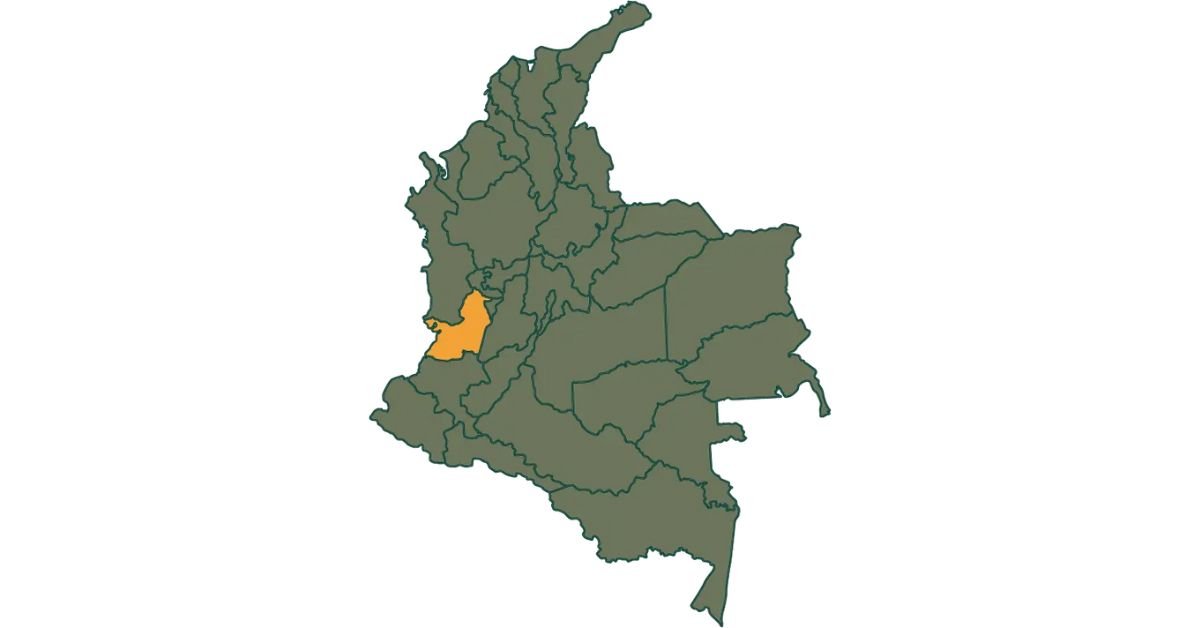
The Cauca Valley, located in southwestern Colombia between the Western and Central Cordilleras, is a land of diversity and flavor. Although world-renowned for its sugarcane, this region also contributes approximately 9% of Colombia's coffee, establishing itself as a source of great tradition and quality.

Origin and Traceability: Huila

Huila is currently the department that produces the most coffee in Colombia, despite not being part of the traditional Coffee Region. The department of Huila contributes approximately 18% of the country's coffee, solidifying its position as the number one region in both volume and quality. Its mountainous landscapes, coffee-growing culture, and unique natural conditions have made Huila coffee an international benchmark.

Roasting and flavor profile

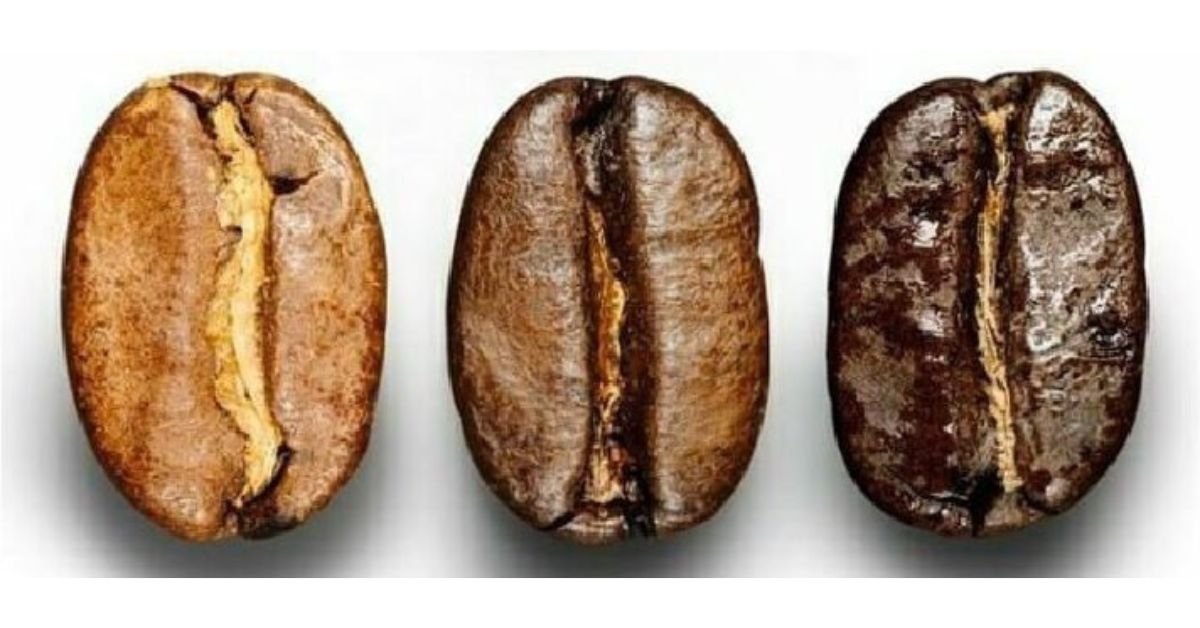
For many, the coffee experience begins when you open the bag and smell that intense and warm aroma. But what truly brings coffee to life is a key process: roasting.

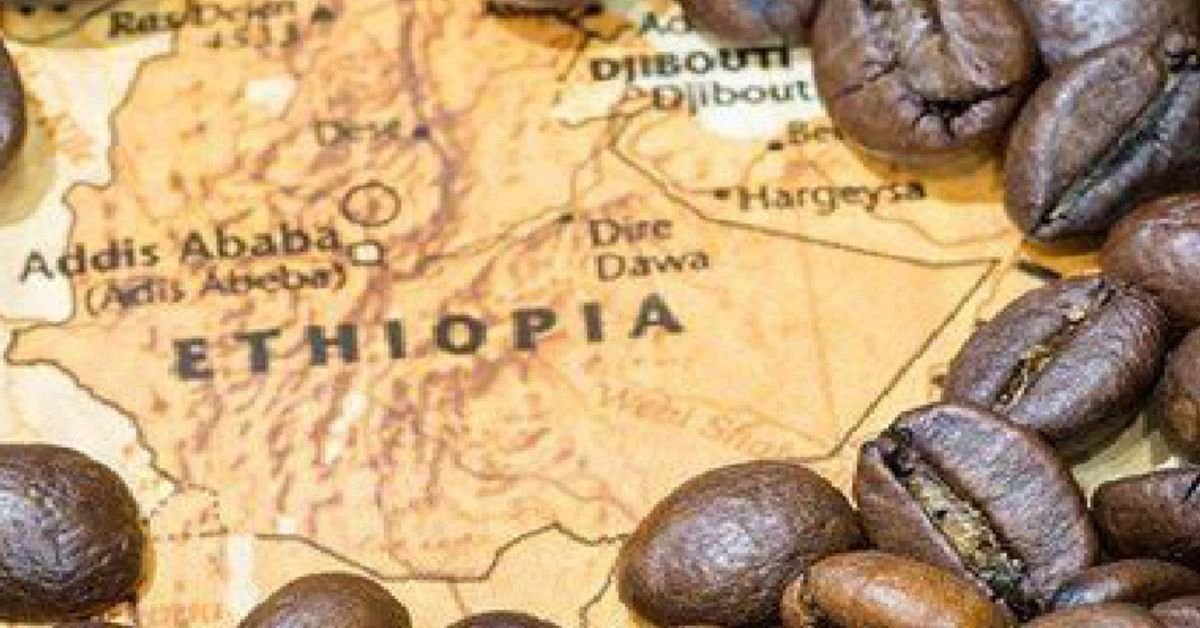
From Ethiopia to Your Cup

Currently, coffee grows mostly in countries located near the equator — also known as the coffee belt. The five main producers worldwide are:

Dark Temptation Coffee

Be part of our story

4.5/5