The origin of coffee
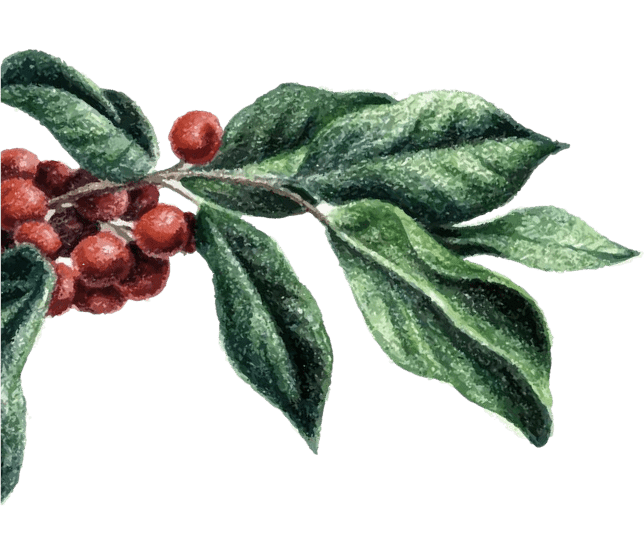
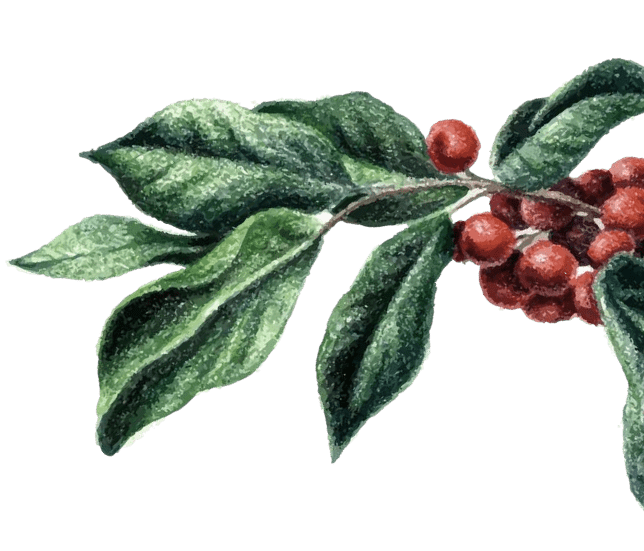
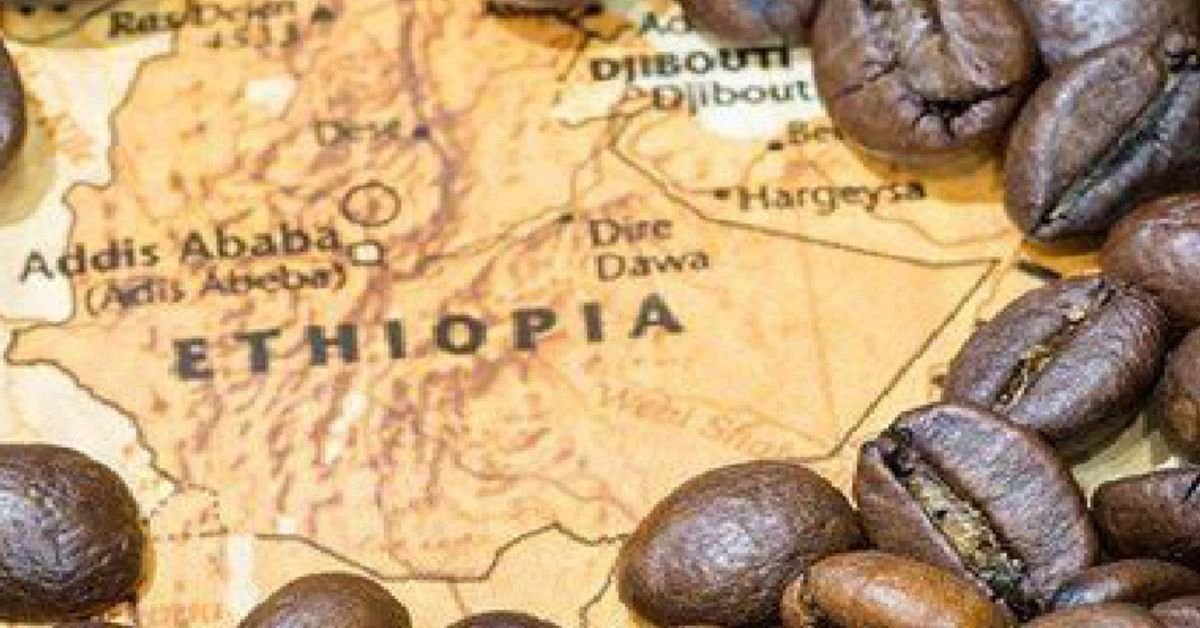
The story of coffee doesn’t begin in a modern coffee shop, but in the mountains of Ethiopia. According to an old legend, a shepherd named Kaldi noticed that his goats were especially active after eating some red berries. Those berries turned out to be the first fruits of the coffee plant.
This is how the coffee fruit is transformed into your favorite drink
Many people don’t know this, but coffee doesn’t grow as a bean on a plant. The coffee plant produces red fruits—similar to cherries—and inside these are the beans we roast.
Each cherry generally contains two seeds, although there are also the rare “snail” cherries, with a single round seed inside.
The expansion of coffee
After Ethiopia, Yemen played a crucial role in the coffee trade. At the port of Mokha, coffee was exported to the Middle East and beyond.
North Africa. From there it spread to Persia, Egypt, Syria, Türkiye and later to Europe.
Colonial powers brought coffee plants to their territories, and thus it was cultivated all over the world: from the hills of Latin America to the highlands of Southeast Asia.
Why is origin important?
The place where coffee grows largely determines its flavor profile. Ethiopian coffees, for example, often have floral and fruity notes, while Colombian coffees are known for their balanced sweetness and fine acidity.
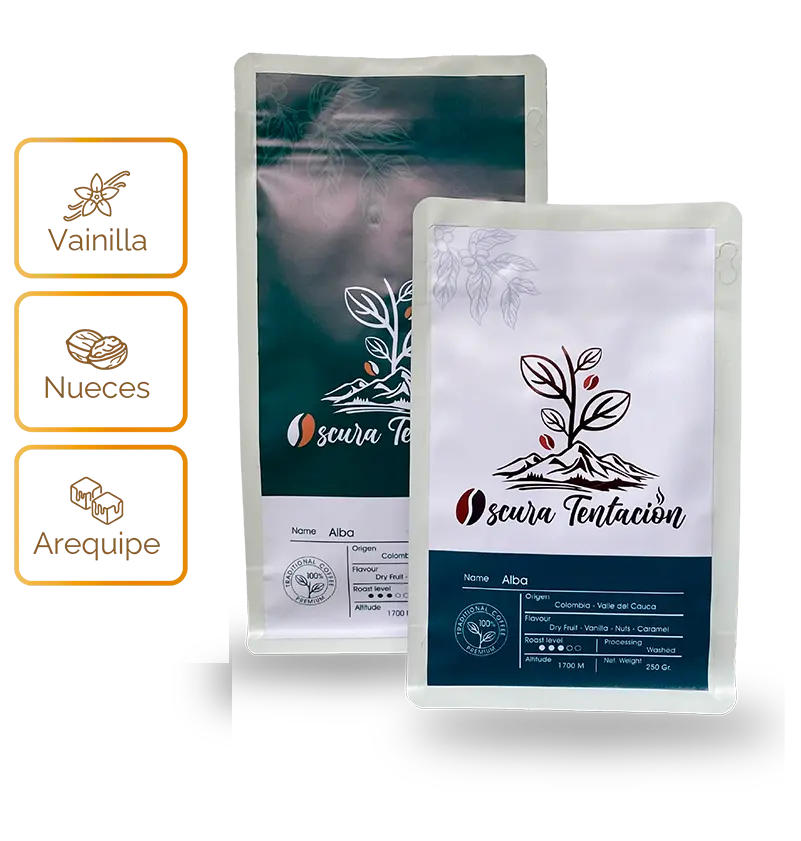
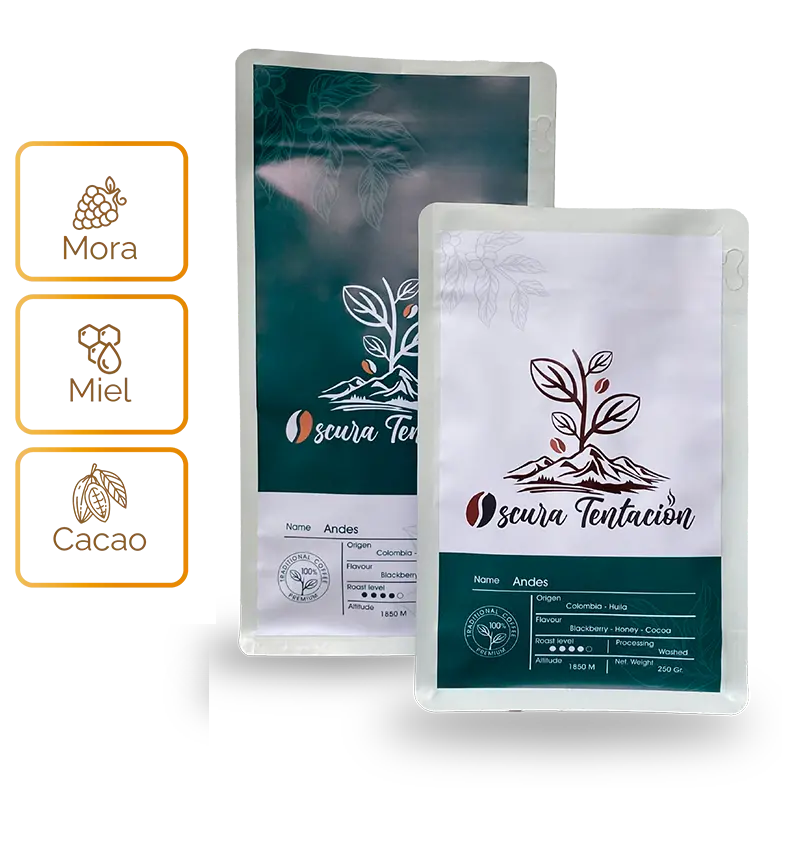
At Oscura Tentación Coffee, we consciously choose to work with single-origin coffees. We don’t work with blends or mass-produced coffees. Only authentic coffees that highlight the character of their terroir.
The largest coffee-producing countries today:
Currently, coffee grows mostly in countries located near the equator — also known as the coffee belt.
The five main producers worldwide are:
1. Brazil – approximately 37% of world production
2. Vietnam – approximately 17% (mostly robust)
3. Colombia – approximately 8%
4. Indonesia – approximately 7%
5. Ethiopia – approximately 4%
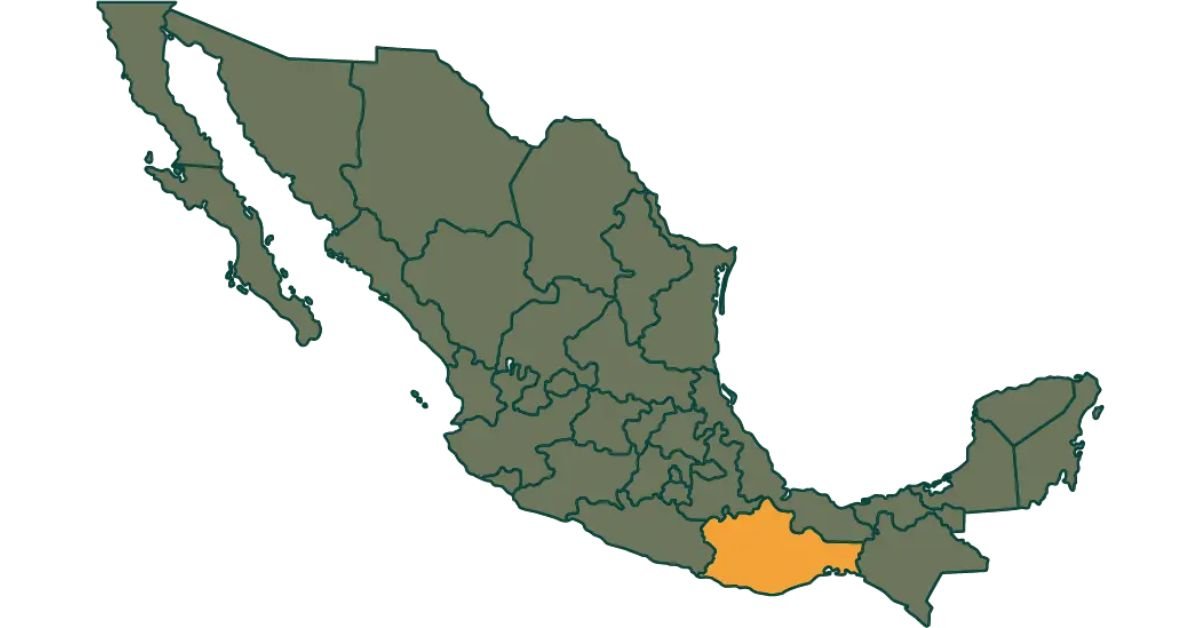
Other major producers include Honduras, Peru, India, Uganda, and Mexico. Each of these countries contributes unique flavors, depending on the altitude, soil type, climate, and coffee variety grown.