Free shipping on orders over
🌍
Select your region
LATAM → Colombia
Europe → Belgium

News

Blog

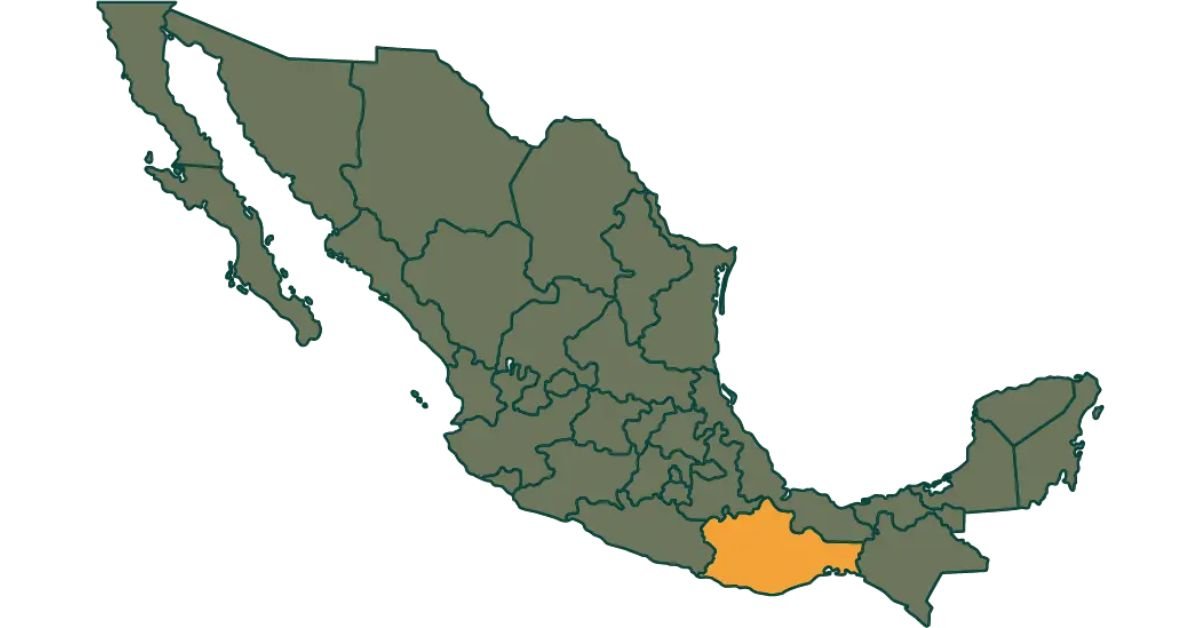
Origin and Traceability: Oaxaca

When one thinks of Mexico, coffee isn't always the first thing that comes to mind. However, the country produces approximately 4% of the world's coffee, making it a major exporter, primarily to the United States, Germany, and Japan.

In southern Mexico, the state of Oaxaca stands out for its geographical and cultural diversity, making it an ideal location for cultivating high-altitude coffees. The mountains of the Sierra Madre del Sur, especially in areas like Pluma de Hidalgo, combine high altitudes, mineral-rich volcanic soils, and temperate climates, resulting in coffees with a distinctive character and rich aromas.

At Oscura Tentación Coffee, we support local indigenous communities that cultivate coffee in these regions, fostering sustainable and ancestral practices that pass down knowledge from generation to generation. Oaxacan culture is also reflected in traditions like Día de los Muertos (Day of the Dead), a celebration that unites history, art, and gastronomy, and which forms part of the legacy of coffee-growing families.


The Oaxacan coffees we’ve selected offer profiles with sweet, citrus notes and hints of cacao, reflecting the richness of the land and the passion of its communities. Each cup transports the drinker to the Sierra Madre del Sur, combining geography, culture, and the dedication of its producers.

Related Articles

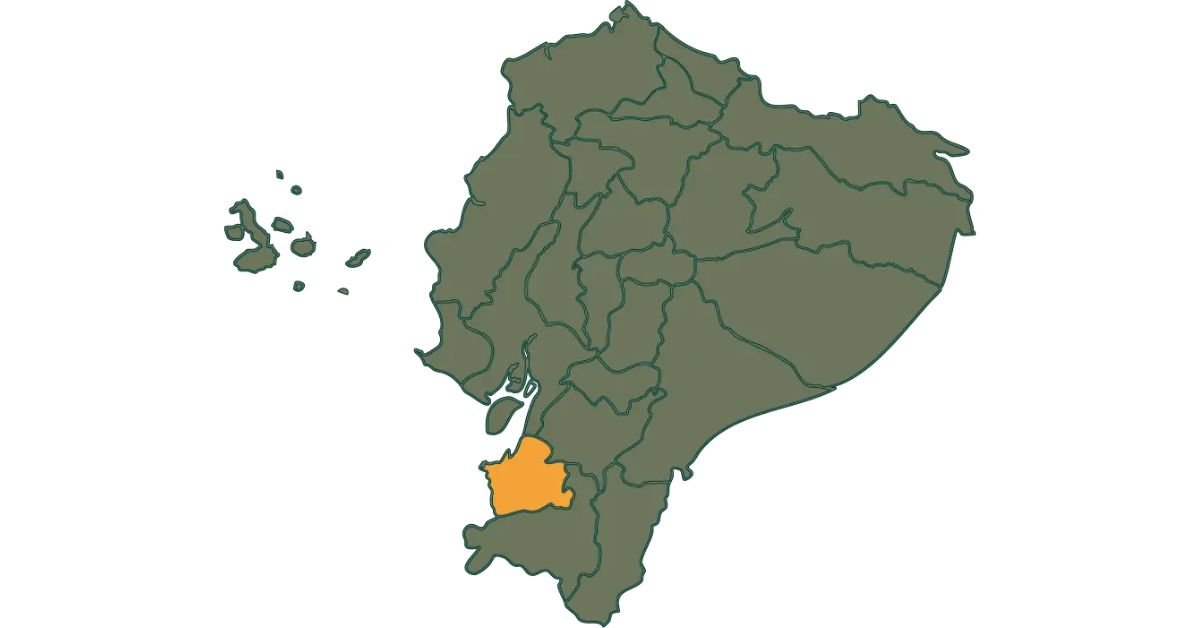
Origin and Traceability: Gold

In southern Ecuador, the province of El Oro combines the richness of its mountains with its proximity to the sea, creating unique microclimates that give its coffee an exceptional character. Despite representing only about 2% of the national coffee production, its beans stand out for their aromatic profile and balance between acidity and sweetness.

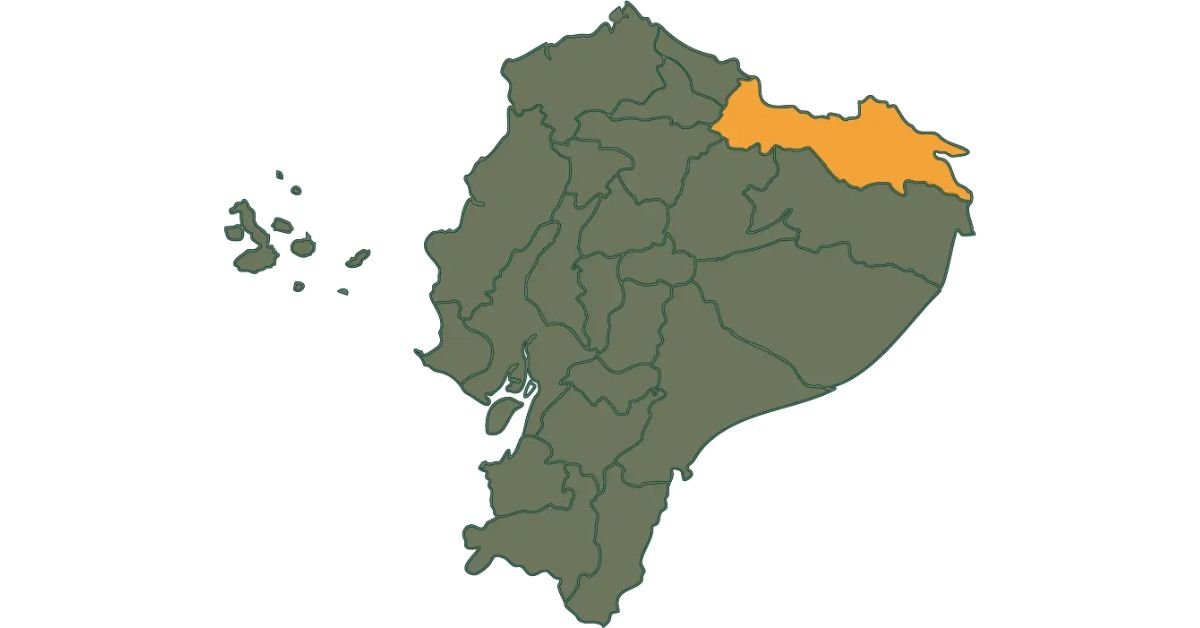
Origin and Traceability: Sucumbios

In the heart of the Ecuadorian Amazon, the province of Sucumbíos has established itself as a leader in robusta coffee production. Although historically not recognized as a traditional coffee-growing region, its potential has been revealed in recent years thanks to agricultural revitalization initiatives and the commitment of its coffee farmers.

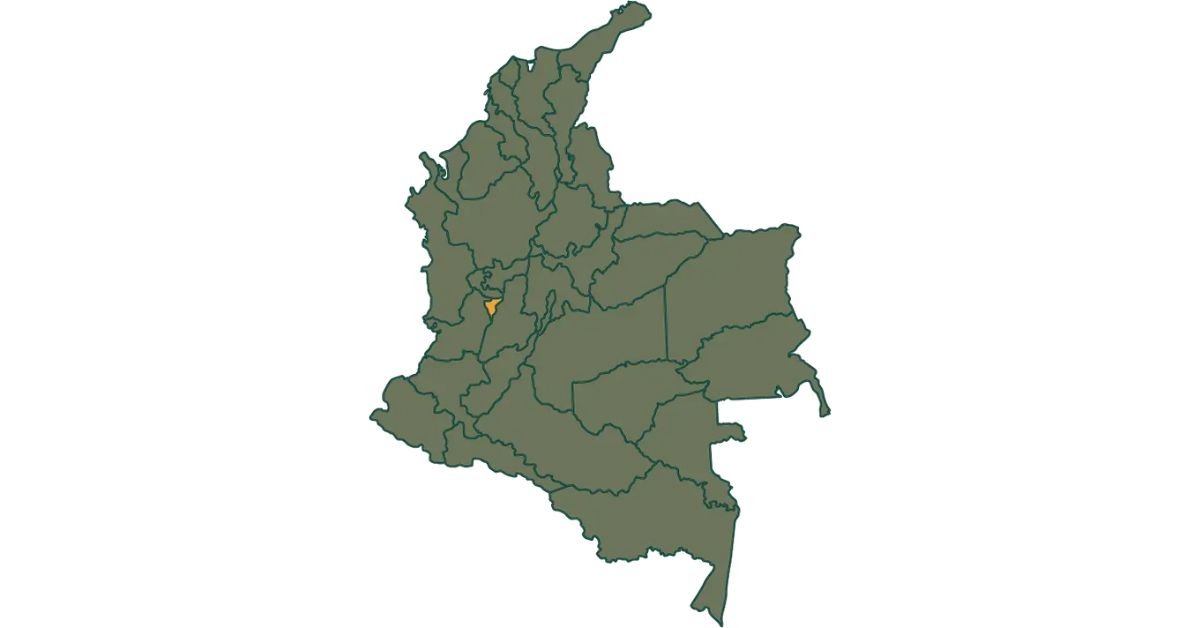
Origin and Traceability: Quindío

Despite being the second smallest department in Colombia, Quindío accounts for approximately 6% of the national coffee production, establishing itself as a highly prestigious origin within the Coffee Region. Its mountains, with altitudes ranging from 1,200 to 1,800 meters above sea level, and its volcanic soils create an ideal environment for coffees to develop their own unique character and complexity in the cup.

Dark Temptation Coffee

Be part of our story

4.5/5