The art of bringing out the best in every grain
For many, the coffee experience begins when you open the bag and smell that intense and warm aroma. But what truly brings coffee to life is a key process: roasting.
What is toasting?
When harvested, the coffee bean is green, hard, and aromaless. During roasting, the sugars caramelize, the oils are released, and the flavors develop. That’s when the bean is transformed into what we know as coffee.
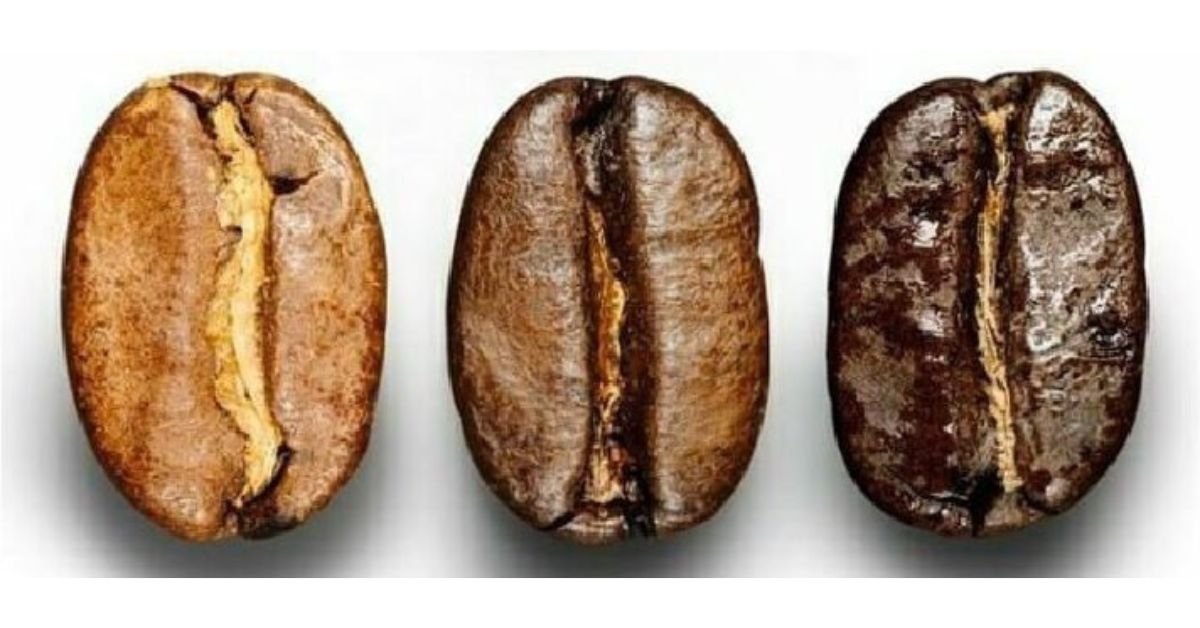
The level of roasting—light, medium, or dark—defines the final flavor in your cup.
How does the type of roasting influence it?
• Light roast: the grain retains many original characteristics.
They usually have fruity, floral, or citrus flavors.
• Medium roast: the grain is darker and has more body. The flavor is more balanced, with notes of chocolate, nuts or caramel, or even fruity or floral.
• Dark roast: very dark brown or almost black beans, with intense, bitter flavors and a dense body. They often have notes of cocoa or toasted spices.
We toast with intention
Each coffee is different and deserves a specific roast. An Ecuadorian coffee bean does not roast the same way as an Ethiopian or Colombian one.
That’s why we toast in small quantities and with great attention to detail. We are not seeking industrial uniformity, but rather to highlight the unique character of each origin.
Because for us, each roast is a way of honoring the work of generations of coffee growers.