Free shipping on orders over
🌍
Select your region
LATAM → Colombia
Europe → Belgium

News

Blog

Origin and Traceability: Cauca Valley

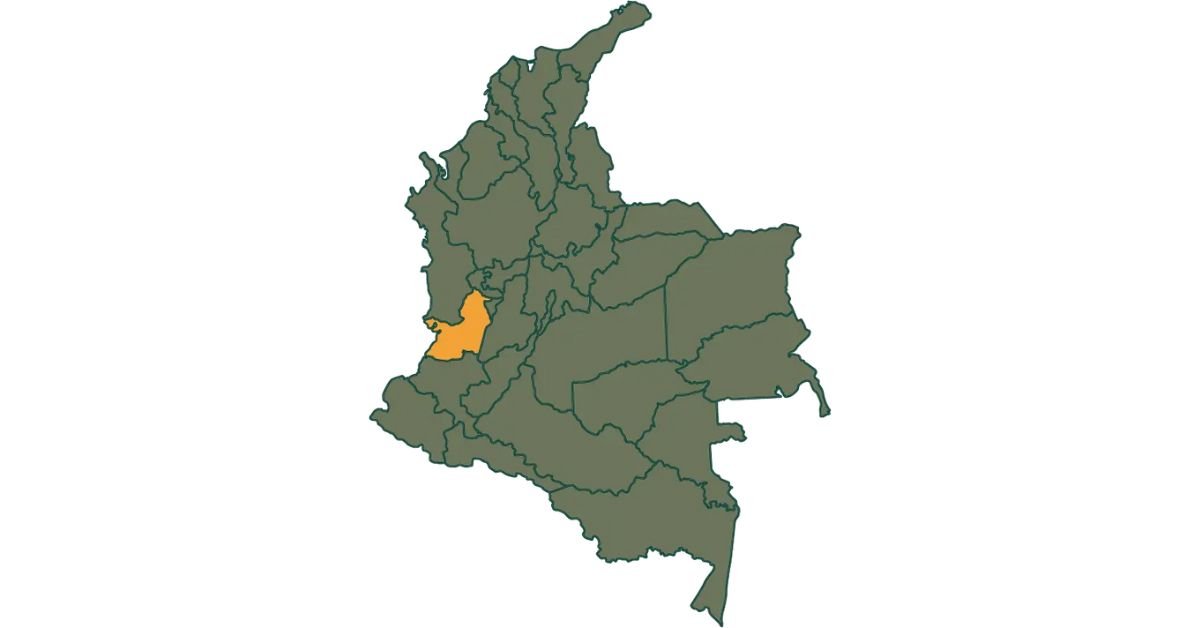
The Cauca Valley, located in southwestern Colombia between the Western and Central Cordilleras, is a land of diversity and flavor. Although world-renowned for its sugarcane, this region also contributes approximately 9% of Colombia's coffee, establishing itself as a source of great tradition and quality.

Its mountains, ranging from 1,200 to 2,000 meters in altitude, with volcanic soils and unique microclimates, give rise to smooth, balanced, and expressive coffees with sweet, floral, and fruity notes. In municipalities like Caicedonia, Sevilla, Trujillo, and Tuluá, thousands of families depend on coffee, cultivating it with passion and a deep-rooted coffee heritage.

And at the heart of the department is Cali, the vibrant and cultural capital of Colombia, whose joy, rhythm and “flavor” are also felt in every cup of Valle del Cauca coffee: diverse and full of character.

To speak of coffee from the Cauca Valley is to speak of tradition, geography and culture that transform into a unique experience for lovers of good coffee.

Related Articles

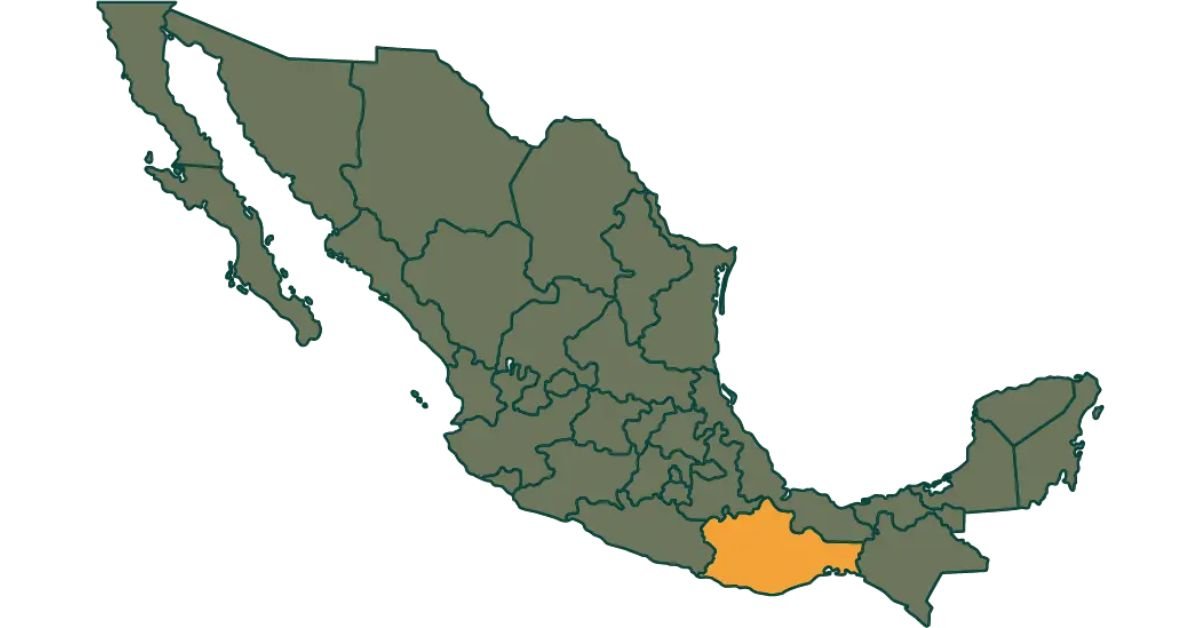
Origin and Traceability: Oaxaca

When one thinks of Mexico, coffee isn't always the first thing that comes to mind. However, the country produces approximately 4% of the world's coffee, making it a major exporter, primarily to the United States, Germany, and Japan.

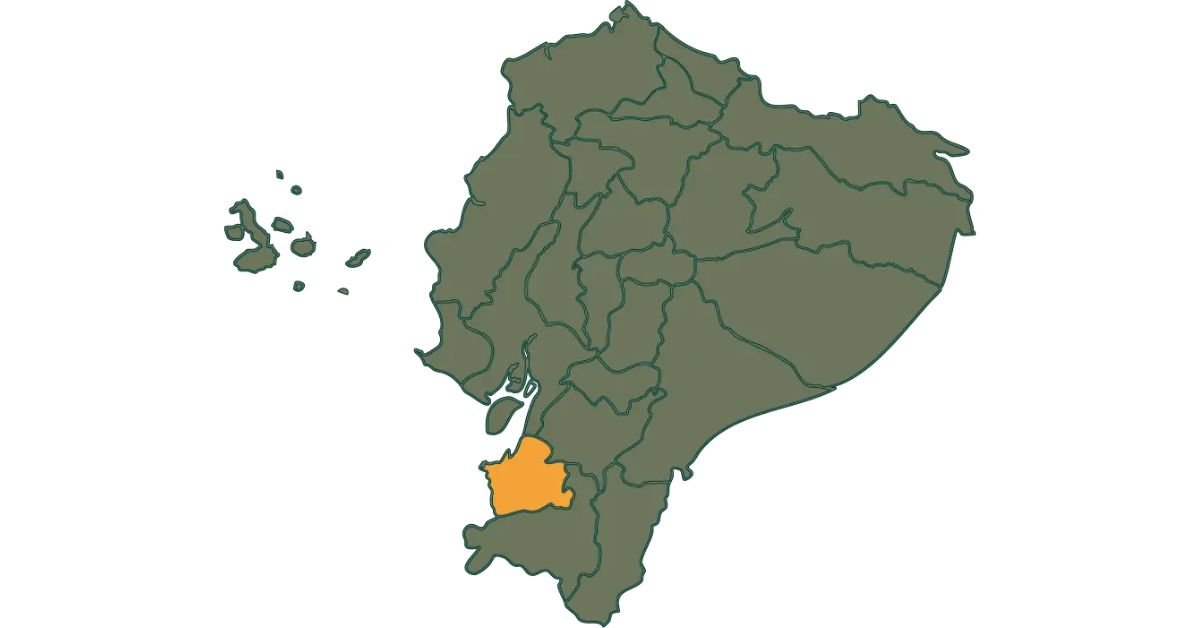
Origin and Traceability: Gold

In southern Ecuador, the province of El Oro combines the richness of its mountains with its proximity to the sea, creating unique microclimates that give its coffee an exceptional character. Despite representing only about 2% of the national coffee production, its beans stand out for their aromatic profile and balance between acidity and sweetness.

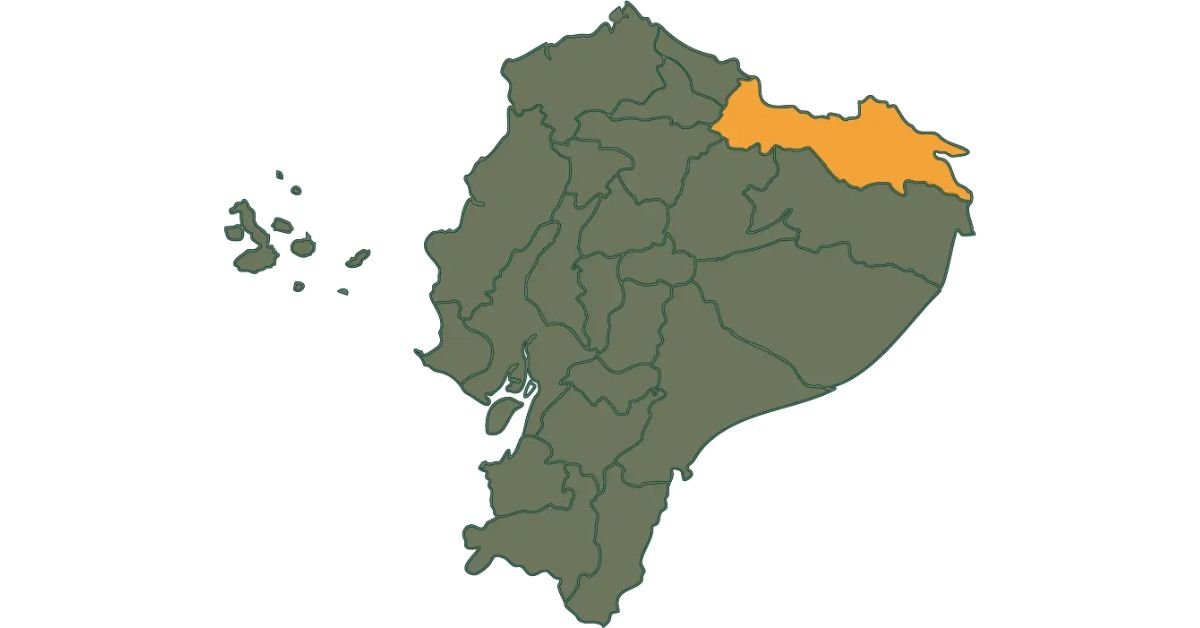
Origin and Traceability: Sucumbios

In the heart of the Ecuadorian Amazon, the province of Sucumbíos has established itself as a leader in robusta coffee production. Although historically not recognized as a traditional coffee-growing region, its potential has been revealed in recent years thanks to agricultural revitalization initiatives and the commitment of its coffee farmers.

Dark Temptation Coffee

Be part of our story

4.5/5